Blog 2

Blog, Blog 1, Blog 2

Restoring Resilience: MESMER Programme Concludes First Phase of Psychosocial Support

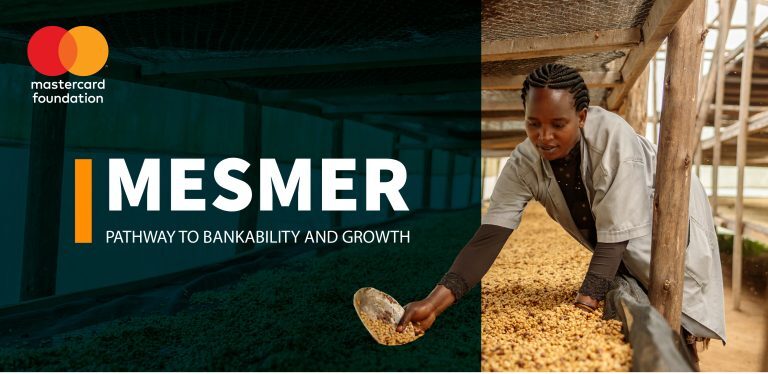
In communities grappling with economic uncertainty, young entrepreneurs often face challenges that go beyond access to finance or business skills. Unaddressed stress, trauma, and self-doubt can quietly limit their ability to seize opportunities and grow their enterprises. Recognizing this, the MESMER Programme, a partnership between the Mastercard Foundation and First Consult (FC), integrated a Psychosocial Support (PSS) component as part of its commitment to strengthening micro, small, and medium enterprises (MSMEs). This intervention, implemented in collaboration with Aha Psychological Services, set out to restore mental well-being, an essential first step in building resilience and paving the way toward bankability. Impact Across Six Regions The first phase of the PSS component has now concluded, leaving a profound impact. More than 16,000 enterprises, both informal and formal—were reached across six regions of Ethiopia, particularly in conflict-affected areas where trauma had disrupted lives and livelihoods. Through counseling sessions, group workshops, and tailored support, enterprise owners were able to: For many, this intervention was the critical foundation needed to reimagine what sustainable growth and financial independence could look like. Celebrating Strength and Resilience Closing ceremonies in Dessie, Mekelle, and Nekemte marked the end of phase one, but the stories of determination shared by participants reflect that this is only the beginning. Entrepreneurs spoke of renewed hope, fresh vision, and the confidence to pursue opportunities that once felt out of reach. Their journeys highlight a powerful truth: mental wellness is not a luxury, it is a prerequisite for economic resilience. By addressing the invisible barriers of stress and trauma, the PSS component is helping enterprise owners unlock their full potential and move steadily along the pathway to bankability. Looking Ahead As MESMER moves into its next phase, the lessons learned from PSS interventions will continue to inform how support is delivered. The integration of psychosocial well-being into enterprise development demonstrates a forward-thinking approach, recognizing that sustainable economic growth is rooted in both financial and emotional resilience. The stories emerging from this first phase stand as a testament to the strength of Ethiopia’s entrepreneurs and the transformative impact of holistic support systems.

Blog, Blog 2

Nebil Kellow Joins Panel on Green Skills at African Climate Summit II

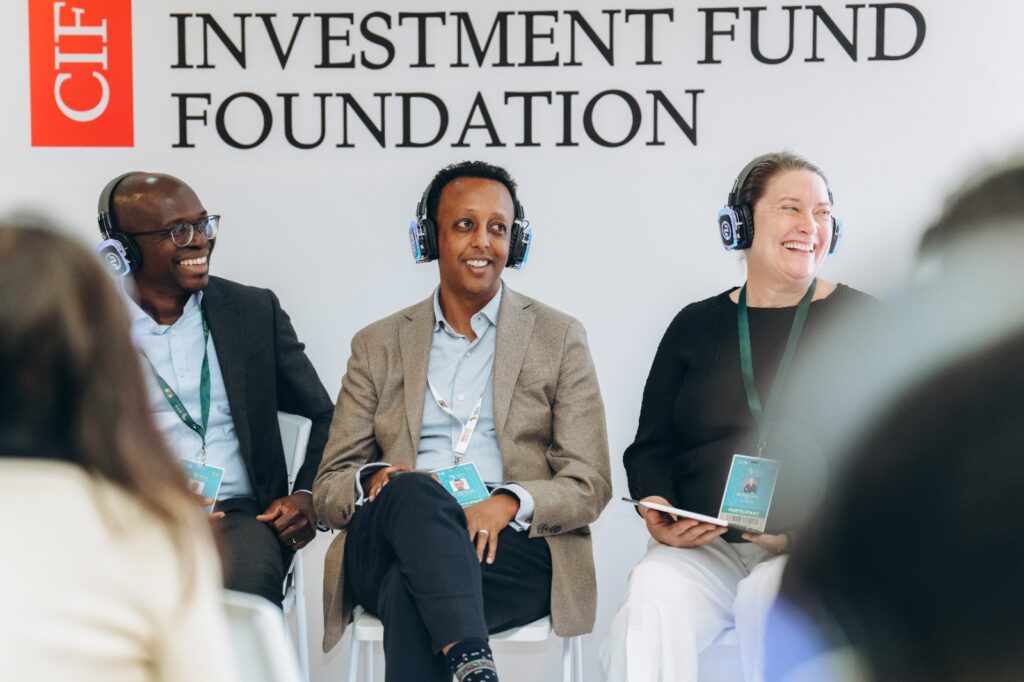
Nebil Kellow, Managing Director of FC, participated as a panellist at the African Climate Summit II, contributing to the discussion on Green Skills for a Just and Equitable Climate Transition. Speaking on the panel, Kellow emphasized the urgent need to upskill Africa’s workforce for emerging green jobs, integrate climate education at all levels of learning, and address the gender gap, with only one in three new green jobs currently going to women. The session highlighted that a just transition cannot be achieved in isolation. Kellow called for deeper collaboration between financiers, governments, the private sector, and development partners to build an inclusive green economy. As the continent prepares for COP30, the panel underlined that investing in human capital is not only an environmental priority, but also a strategic economic necessity for Africa’s future.

Blog, Blog 2

Mastercard Foundation and FC Announce Program to Support 72,000MSMEs to Recover from Shocks, Build Resilience, and Create Jobs for Youth

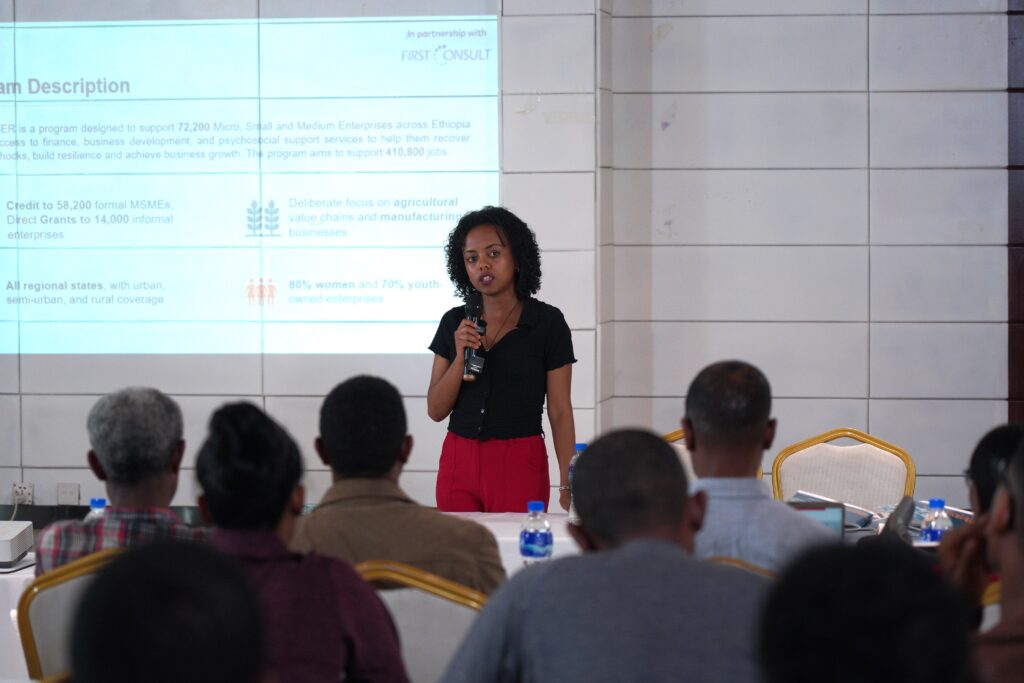
Addis Ababa, Ethiopia, May 15, 2023 — The Mastercard Foundation and First Consult have announced the Micro, Small, and Medium Enterprise Recovery and Resilience (“MESMER”) Program to support 72,200 informal, start-up, and formal enterprises. The program will also create 410,800 jobs within enterprises by building the resilience and growth prospects of MSMEs through access to finance, business development, and psychosocial support. The Ministry of Labor and Skills will be the lead partner guiding the program’s strategic execution. MESMER will address three fundamental challenges: (1) Facilitating credit access to MSMEs closely working with financial institutions through liquidity funding, (2) Providing technical assistance to financial service providers, and (3) Providing demand-driven business development services and psychosocial support services to ensure enterprise resilience and growth are sustained while the responsibilities of managing credit are learned. It will also support the recovery of businesses in conflict-affected regions. Most importantly, the MESMER program will bridge the relationship between MSMEs and financial institutions, creating information symmetry, credit history, better Know your Customers (KYC) procedures and improved credit eligibility. This will provide a suitable environment for MSMEs to borrow more and for financial institutions to continue to serve the MSME market. This introduction and linkage with private financial institutions will additionally help the MSME segment to build a credit history, enabling them to access finance in the future without guarantees, while also demonstrating the robustness and business case of this market segment to the banks. This MESMER program builds on the success of the Mastercard Foundation COVID-19 Recovery and Resilience Program (CRRP) launched in 2020. The CRRP was created in response to the short-term negative impacts of the pandemic by providing grants and soft loans to strengthen the resilience of MSMEs. The Foundation committed $7.3 million for grant and $17 million for soft loans which unlocked a matching fund from two partner commercial banks (Awash and Dashen Bank), creating a total fund of $34 million to support more than 15,000 enterprises over two years. One of the significant successes of the CRRP program was that over 80 percent of participating MSMEs were first-time borrowers from any financial institution with no prior credit experience, hence creating access and bringing MSMEs into the formal banking system. Web-based application and screening shortened the application process and reduced partner banks’ burden and cost of processing applications. The program also demonstrated the importance of working with financial institutions to create resilient MSMEs. After agriculture, MSMEs are Ethiopia’s second-largest employment-generating sector and are the engines of economic growth and job creation. However, they face various challenges such as difficulty in accessing finance. A 2021 study by First Consult estimates that 1.5 million MSMEs in Ethiopia face a financing gap of $6.1 billion, which would create 7.5 million jobs if addressed. Other critical constraints to the growth of MSMEs besides lack of access to finance include lack of collateral, weak entrepreneurial and business management skills, little to no capacity to absorb shocks, and a low level of financial service awareness. As the Ethiopian economy faces multiple shocks and challenges, MSMEs need to be even more supported to withstand them and stay afloat while building assets for long-term resilience. Through its foremost access-to-finance component, the MESMER program plans to disburse its total budget of $48.9 million via partner financial institutions, grants, and soft loans countrywide, with the grant primarily focusing on conflict-affected areas and on women and young people. It will also expand its rural outreach through technology-enabled interventions by leveraging the rural network of microfinance institutions. The MESMER program will additionally offer diversified financial services that suit the specific needs of enterprises, such as leasing and interest-free financial services. “The COVID-19 pandemic has highlighted the importance of building MSMEs that are resilient to man-made and natural disasters. At the Ministry of Labor and Skills, we recognize the critical role that MSMEs play in creating jobs and boosting economic growth. Hence, through our partnership with First Consult and the Mastercard Foundation, we are proud to support the MESMER program, which will provide critical financial and psychosocial support to MSMEs impacted by both manmade and natural disasters,” said H.E. Mr. Nigussu Tilahun, State Minister of the Ministry of Labor and Skills. “The MESMER program is designed to help MSMEs get on the path to bankability and growth. The name of the program originates from an adapted acronym, which in Amharic translates to ‘track’. The primary goal of MESMER is to provide technical and financial support to MSMEs by partnering with financial institutions to facilitate inclusive and affordable financial services on sustainable basis.” said Mr. Kenno Itana, MESMER Team Leader at FC “MESMER is designed to support business recovery and growth. It will create access to affordable finance for start-ups and MSMEs across the country. Support in conflict-affected regions will ensure recovery. We believe a combination of relevant skills and business development services, affordable financial services, as well as the passion of the entrepreneur will ensure enterprise survival and growth. Along with various other Foundation partnerships, MESMER will make a significant difference in creating a pipeline of investable business and contribute to the country’s ambition to transition to a private sector-led economy,” said Samuel Yalew Adela, Mastercard Foundation Country Director for Ethiopia.
Blog, Blog 2

FC proposes the establishment of a National Credit Guarantee Scheme

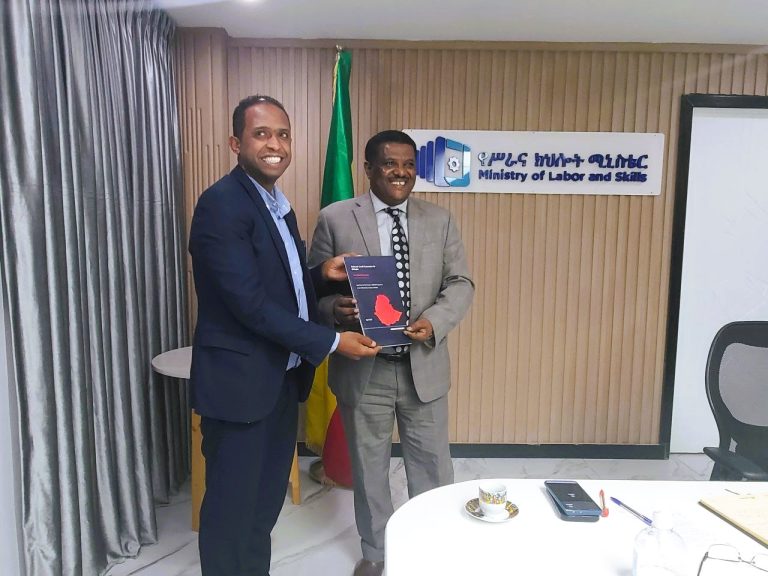
Drawing from its extensive knowledge and experience in guarantee fund management and increasing access to finance in Ethiopia, First Consult through its BRIDGES Programme (a partnership with the Mastercard Foundation) is supporting the government of Ethiopia through the Ministry of Labor and Skills, to establish a national credit guarantee scheme. Credit guarantee schemes (CGS) provide guarantees to borrowers who have difficulty accessing credit, by covering a share of the risk of loan default. In the case of default, the lender can recover the value of the guarantee. Credit guarantee schemes are thus designed to reduce the risk associated with lending to groups financial institutions consider high-risk, and hence facilitate access to credit by improving loan terms. CGSs take different forms and are used for different goals. Development-oriented CGSs, which are common in the developing world, often target medium, small and micro enterprises (MSMEs) to help them get loan funding at low prices and easier conditions. In the eyes of some financial institutions, MSMEs might not be credit-worthy and hence CGSs are demanded. National CGS are often in line with national employment programs. In Africa, Ghana, Kenya, Tanzania, Rwanda and Egypt have it. They support government strategies aimed at developing the private sector with a focus on MSMEs. In Ethiopia, CGSs by government and development partners have been extended to various ministries and agencies which were disbursed through MFIs and other financial institutions. One example is the Development Credit Authority (DCA) – a USAID-funded guarantee scheme that subsidized credit and other below-market financial products from 2004 – 2015, facilitating a total of USD 96.3 million in loans at a cost of USD 9.6 million through seven private banks. 316 businesses accessed the DCA-backed loans. FC has a long experience in CGSs management and technical support to CGS stakeholders that spans decades and multiple programs, amassing key learnings in guarantee fund management to avail credit access to underserved sectors. The Capital Link project is one of the first examples. From 2009-12, partial guarantees worth more than EUR 2 million were issued by Germany in financial cooperation to Ethiopia to refinance loans from two private banks to six microfinance institutions. Implementing in partnership with Enclude, the project channelled liquidity from the banking sector to the microfinance sector, and developed appropriate strategies and the capacity of the micro finance institutes to increase MSE loans. BRIDGES Programme Team Leader Henok Tenna hands over technical proposal document for the establishment of a national CGS to H.E. Nigusu Tilahun, State Minister at the Ministry of Labour and Skills The BRIDGES Programme currently being implemented by First Consult in partnership with the Mastercard Foundation has provided different levels of credit guarantees reaching thousands of enterprises to support their COVID resilience and relieve their need to present collateral. Further working with the Mastercard Foundation in the MSE Resilience Facility, First Consult managed the disbursal of more than ETB 1.2 billion to more than 13,000 MSEs as an emergency facility to help MSEs in Addis Ababa withstand the economic shock caused by COVID-19. The Facility is scaled up in the MESMER Program, where First Consult is managing USD 30 million in a portfolio risk-sharing arrangement with finance institutions. The national credit guarantee scheme proposed by First Consult this month envisions a public-private independent institution with a legal framework. It is open to multiple forms of ownership from private, government and multinational development organizations. It would mobilize public, private and philanthropic funds from various sources to serve as a policy instrument during times of economic hardship and to support credit-constrained end users during normal times. After studying the potential demand and feasibility and examining the regulatory environment, we have made a proposal for the modalities of establishing such a scheme to the FDRE Ministry of Labor and Skills. We also held consultation workshops with two groups of stakeholders on the draft proposal and reflected their feedback in the proposal. We propose and expect the presentation and endorsement of the proposal for a national credit guarantee scheme by the relevant government authorities. If endorsed, formation activities such as stakeholder identification and engagement, funding and governance set up, and product development and launch of the credit guarantee scheme would follow, which we are committed to support.

Blog, Blog 2

Locally led development in the spotlight as RTI and FC embark on new strategic partnership

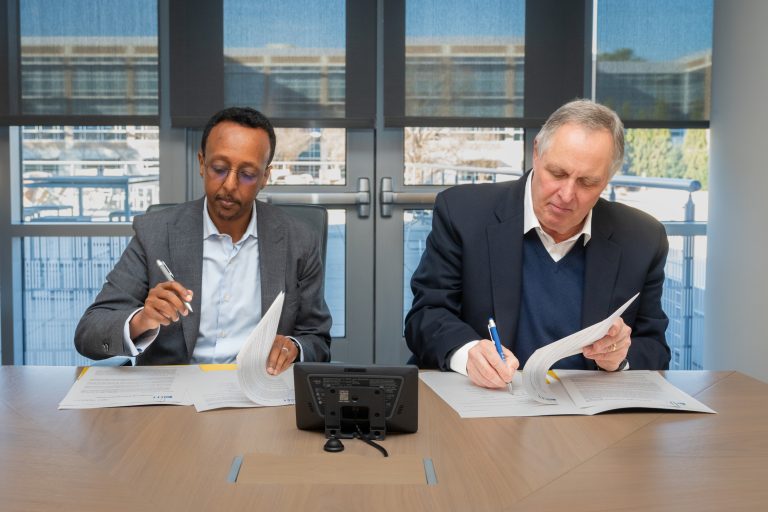
The National Bank of Ethiopia (NBE), the Mastercard Foundation and First Consult, through the BRIDGES Programme, unveiled a Standardized National Financial Education Module aimed at empowering the youth and Micro, Small, and Medium-sized Enterprises (MSMEs) with essential financial knowledge and skills. The launch took place on February 29, 2024, at the Inter Luxury Hotel. I RESEARCH TRIANGLE PARK, N.C. & ADDIS ABABA – RTI International, a nonprofit research institute and leading international development organization, signed a memorandum of understanding with First Consult, a prominent development consulting organization implementing economic development projects in Ethiopia. Both organizations will work together to identify inclusive solutions that lead to sustainable economic growth, climate resilience, improved food security, quality education and healthcare, environmental protection and greater prosperity. “Prioritizing the knowledge, skills and perspective of local actors is the heart of locally led development,” said Paul Weisenfeld, executive vice president for international development at RTI. “Long-term partnerships in the countries where we work are key to identifying solutions that lead to sustainable success across local networks and systems.” RTI and FC will jointly invest in research, exchange evidence and insights, and work together to respond to emerging issues across multiple sectors in Ethiopia through locally led solutions. This collaboration will bolster local expertise and networks around a variety of research areas. “This strategic partnership will help us make a larger impact by reaching more communities,” said Nebil Kellow, First Consult managing partner. “We’re proud to enter into this agreement to grow our technical and operational support to public and private sectors in locally led development.” Currently, FC is working in partnership with more than 200 government and private local partners and more than 20 international partners. Since its inception in 2006 the firm has supported the creation of more than 700,000 jobs in Ethiopia, mobilized $403 million worth of investment and facilitated $150 million in credit for micro, small and medium enterprises (MSMEs). In doing so, they have supported the formation and growth of more than 120,000 MSMEs.

Scroll to Top