Blog 1

Blog, Blog 1, Blog 2

Restoring Resilience: MESMER Programme Concludes First Phase of Psychosocial Support

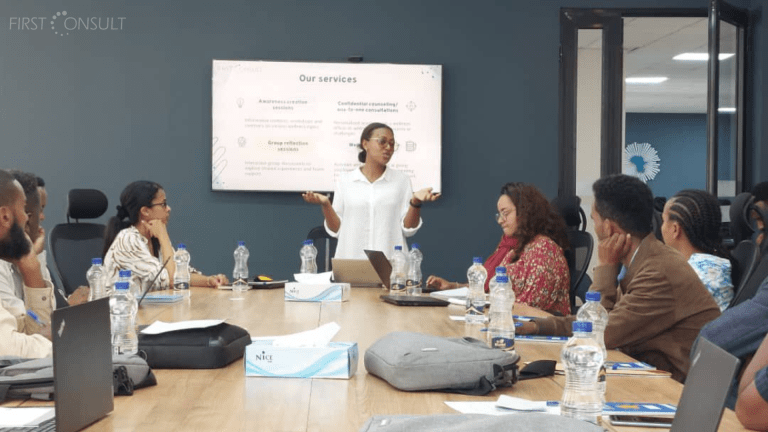
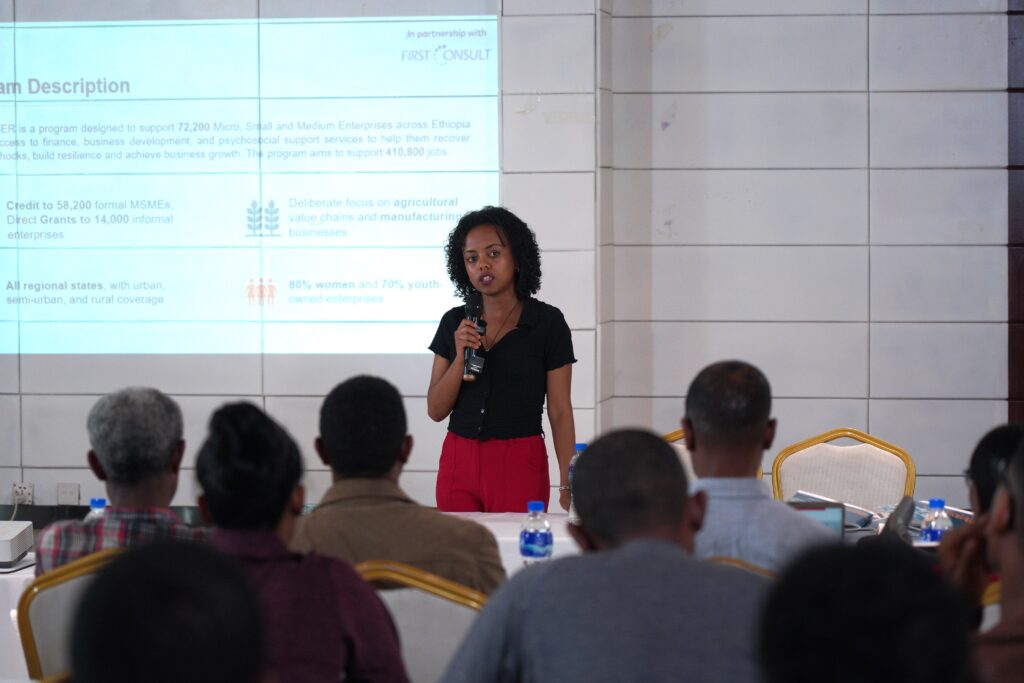
In communities grappling with economic uncertainty, young entrepreneurs often face challenges that go beyond access to finance or business skills. Unaddressed stress, trauma, and self-doubt can quietly limit their ability to seize opportunities and grow their enterprises. Recognizing this, the MESMER Programme, a partnership between the Mastercard Foundation and First Consult (FC), integrated a Psychosocial Support (PSS) component as part of its commitment to strengthening micro, small, and medium enterprises (MSMEs). This intervention, implemented in collaboration with Aha Psychological Services, set out to restore mental well-being, an essential first step in building resilience and paving the way toward bankability. Impact Across Six Regions The first phase of the PSS component has now concluded, leaving a profound impact. More than 16,000 enterprises, both informal and formal—were reached across six regions of Ethiopia, particularly in conflict-affected areas where trauma had disrupted lives and livelihoods. Through counseling sessions, group workshops, and tailored support, enterprise owners were able to: For many, this intervention was the critical foundation needed to reimagine what sustainable growth and financial independence could look like. Celebrating Strength and Resilience Closing ceremonies in Dessie, Mekelle, and Nekemte marked the end of phase one, but the stories of determination shared by participants reflect that this is only the beginning. Entrepreneurs spoke of renewed hope, fresh vision, and the confidence to pursue opportunities that once felt out of reach. Their journeys highlight a powerful truth: mental wellness is not a luxury, it is a prerequisite for economic resilience. By addressing the invisible barriers of stress and trauma, the PSS component is helping enterprise owners unlock their full potential and move steadily along the pathway to bankability. Looking Ahead As MESMER moves into its next phase, the lessons learned from PSS interventions will continue to inform how support is delivered. The integration of psychosocial well-being into enterprise development demonstrates a forward-thinking approach, recognizing that sustainable economic growth is rooted in both financial and emotional resilience. The stories emerging from this first phase stand as a testament to the strength of Ethiopia’s entrepreneurs and the transformative impact of holistic support systems.
Blog, Blog 1

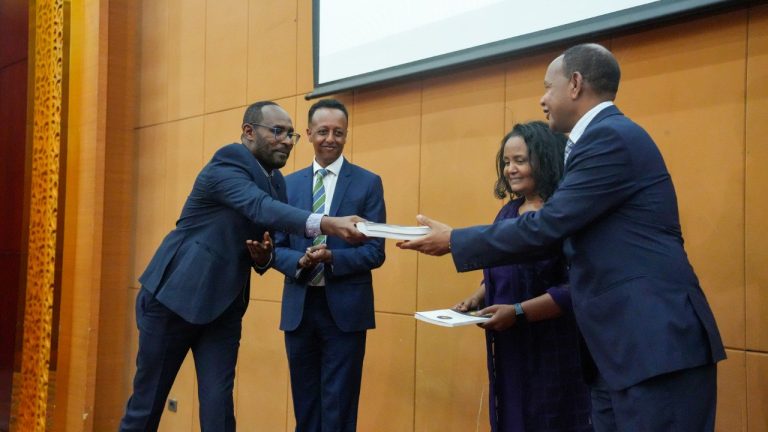
NBE launches National Financial Education Module, handed over by FC

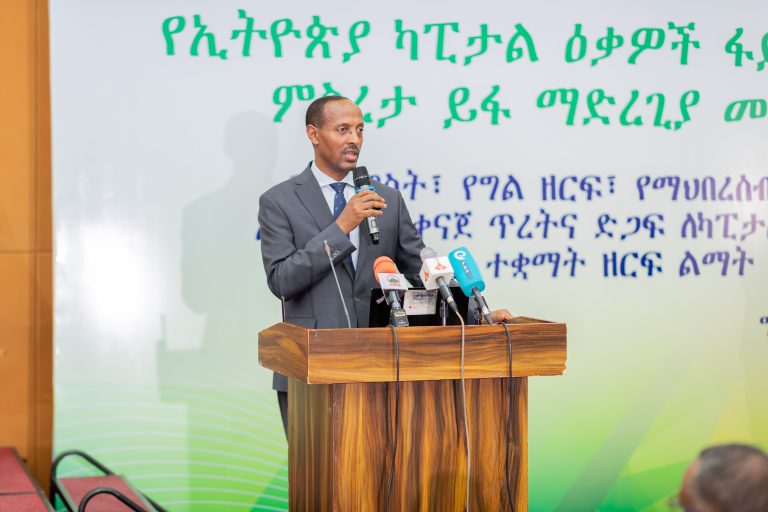
The National Bank of Ethiopia (NBE), the Mastercard Foundation and First Consult, through the BRIDGES Programme, unveiled a Standardized National Financial Education Module aimed at empowering the youth and Micro, Small, and Medium-sized Enterprises (MSMEs) with essential financial knowledge and skills. The launch took place on February 29, 2024, at the Inter Luxury Hotel. In her keynote speech, W/ro Martha Hailemariam, Advisor to the Vice Governor of Financial Institutions Supervision at NBE, emphasized that this module will play a pivotal role in advancing financial literacy, with the ultimate goal of achieving a 75 percent awareness level of financial services among MSMEs by 2025. Highlighting NBE’s commitment to enhancing financial inclusion and ensuring sector stability, the advisor underscored the importance of coordinated efforts in promoting financial capability and awareness. The comprehensive module covers various topics, including savings, digital banking, lending, insurance, interest-free finance, and business planning, with a special focus on supporting women entrepreneurs. Samuel Yalew, Country Director of MasterCard Foundation Ethiopia, praised the initiative, emphasizing its significance in aligning with the objectives outlined in the National Financial Inclusion Strategy. By targeting youth and MSMEs, Yalew stressed the potential to address critical gaps and foster job creation and economic growth in Ethiopia. Nebil Kellow, Managing Director of First Consult, highlighted the significant challenges facing youth and MSMEs in achieving financial inclusion, notably the lack of awareness and literacy. He emphasized that financial education plays a vital role in equipping individuals with the necessary knowledge, skills, and confidence to navigate the complexities of the financial landscape and achieve their financial goals. The development of the Financial Education module is considered as a significant milestone in the efforts to enhance financial literacy. It provides a comprehensive framework that financial institutions can utilize to design and implement effective financial education programs for their customers and benefit millions in the coming months and years. Financial education equips youth and MSMEs with the necessary knowledge and skills to navigate the complex financial landscape. It empowers individuals to make informed financial decisions, leading to improved financial well-being and economic stability.

Blog, Blog 1

Unlocking finance for youths and MSMEs: Launching of the Association of Ethiopian Capital Goods Finance

The Association of Ethiopian Capital Goods Finance (AECGF) was officially launched on May 23, 2024, marking a significant milestone in Ethiopia’s efforts to unlock finance for youths and micro, small, and medium enterprises (MSMEs). In emerging economies like Ethiopia, MSMEs play a crucial role, accounting for the absorption of 7 out of 10 jobs. However, various constraints have hindered their access to financing, leading to a substantial financing gap of USD 6.1 billion in the country. One major barrier faced by MSMEs in Ethiopia is the high collateral requirement set by financial institutions. Insufficient collateral is the primary reason for loan application rejections, accounting for 58.6% of cases. Currently, commercial banks dominate the credit circulation in the economy, holding a 94% share, while microfinance institutions and capital goods finance companies account for 4% and 1% respectively. To address the collateral constraint and provide an alternative financing option for MSMEs, a vibrant leasing sector becomes crucial. The AECGF, established in February 2022, and developed with technical assistance from the BRIDGES Programme (a partnership between the Mastercard Foundation and First Consult) which supported the creation of foundational documents, including a 5-year strategic plan, organizational structure, human resource manual, finance policy, and procedure manual, has been developed to support the growth of MSMEs in Ethiopia. With its establishment, the AECGF is well-positioned to deliver significant benefits to the vast number of micro, small, and medium enterprises that form the backbone of the country’s manufacturing sector. Before the association’s formation, Ethiopia’s leasing landscape consists of five region-based capital goods financing companies and the state-owned Development Bank of Ethiopia, all operating independently. Recognizing the need for greater coordination, these institutions have now come together under the umbrella of the AECGF. The association aims to facilitate industry coordination, develop strategies to mitigate common risks, establish a centralized hub for capacity building, research, and advisory services, and provide a unified voice to influence relevant policies. Capital goods finance providers in Ethiopia are actively engaged across all sectors of the economy. Manufacturing equipment represents the largest share of the total leased finance outstanding for all capital goods finance providers. It is estimated that the institutions will reach a total lease financing of Birr 10.8 billion in the fiscal year 2023/24. Looking ahead, the AECGF has set an ambitious vision to become a leading force in capital goods financing across Africa by 2035. By coordinating efforts, implementing effective strategies, and leveraging its influence, the association aims to create growth opportunities for Ethiopian enterprises and contribute to the broader economic development of the country.

Blog, Blog 1

Workplace Wellness as a Corporate Responsibility: FC Leads by Example

Elilta, First Consult’s passionate Wellness Officer, is a champion for employee well-being. Her background in psychology fuels her dedication to fostering a thriving and supportive work environment. With a wealth of experience in mental health, counseling, and organisational development, Elilta leads the charge in developing innovative wellness initiatives that prioritize employee health and happiness. In this article she explores how First Consult is leading by example in workplace wellness and encourages other organizations to follow suit. The professional environment is evolving, with workplace wellness leading the way to put employees first. This isn’t just an HR trend – it’s essential to what makes great companies thrive. Workplace wellness, or corporate wellbeing, blends health-promoting activities and organisational policies that foster employees’ growth, covering physical, mental, and financial well-being. Globally, organisations like Deloitte and McKinsey are exemplars in this field, offering comprehensive wellbeing programmes. Deloitte’s initiatives support employees mentally, physically, and financially, while McKinsey adopts a holistic wellness approach implementing interventions at all four levels: individual, job, team, and organisation. Google sets a high standard with onsite wellness centres and one-to-one financial coaching, demonstrating how prioritising workplace wellness cultivates thriving teams. The Power of Workplace Wellness Comprehensive wellness programmes can: Foster a positive morale and culture by demonstrating care for employees’ well-being and encouraging them to prioritize their health. Boost employee health by promoting sustainable, healthy habits, reducing long-term health issues. Enhance productivity and engagement by fostering team activities that build a sense of community. Reduce absenteeism as healthier employees require less time off for stress-related or preventable illnesses. Attract and Retain Top Talent by creating a positive work environment that promotes employee satisfaction and loyalty. Ethiopia’s Path to Workplace Wellness Workplace wellness is a relatively new concept in corporate Ethiopia, but recent initiatives and advocacy efforts are raising awareness. At the 2024 Ethiopian Great Run Gala Dinner, expert Aletheia Conway-Hughes emphasized the importance of corporate wellness to more than a100 organisational leaders.[1] The ILO’s ‘Shared Responsibility’ model aims to improve worker well-being in the garment sector, [2] while UNICEF’s training programme for over 238 healthcare workers underlines the focus on mental resilience. [3]

Scroll to Top